
Beyond the Warehouse
Designing Industrial Facilities That Drive Business Performance
When industrial leaders discuss their next facility investment, the conversation often begins with square footage, equipment needs, construction costs, and production goals. Yet, the most important question may be: What role will this facility play in the future of our organization?
Today’s industrial buildings serve as recruitment tools, innovation hubs, customer experience centers, and physical representations of a company’s brand and culture. Industry leaders understand that great facilities do more than support operations; they accelerate business performance.
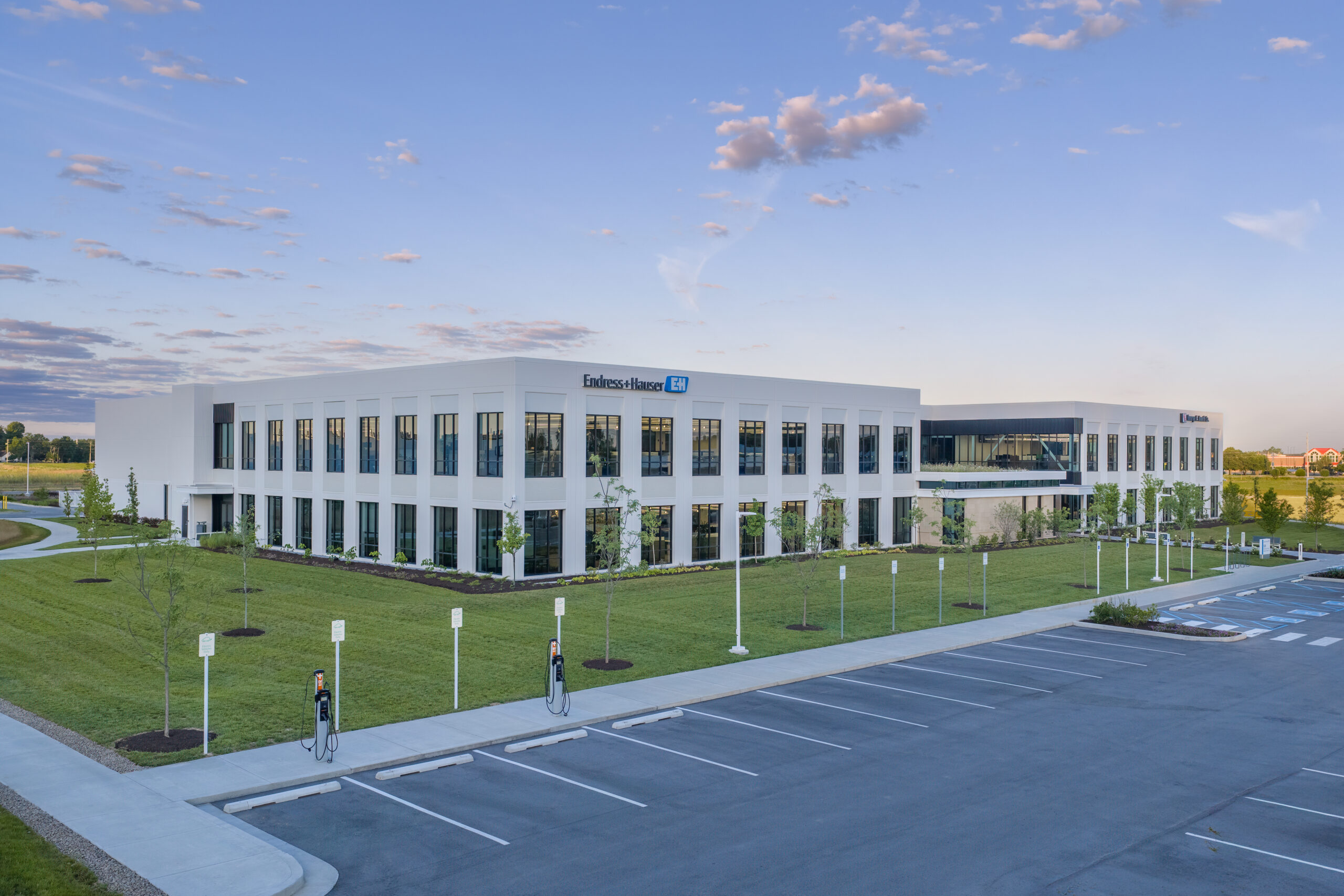
Through our work with companies like Endress+Hauser, we’ve learned that the most impactful industrial environments are those that balance process, people, and long-term adaptability from day one.
With this focus on business outcomes rather than space alone, we’re seeing the following as top priorities for leadership in the industrial market:
- Operational Efficiency + Productivity
- Strategic space planning to improve workflows, reduce waste, and support production goals.
- Future Growth + Adaptability
- Flexibility to accommodate new equipment, automation, expansion, and changing business needs.
- Workforce Attraction + Retention
- A focus on employee experience, wellness, training, and corporate culture.
- Cost, Schedule + Risk Management
- Predictable project delivery with a focus on operational continuity and managing capital expenditure.
- Sustainability + Corporate Responsibility
- Energy performance, resiliency, operational efficiency, and ESG goals influencing decision-making.
- Viewing sustainability and wellness as a cost-savings and talent-attraction strategy.



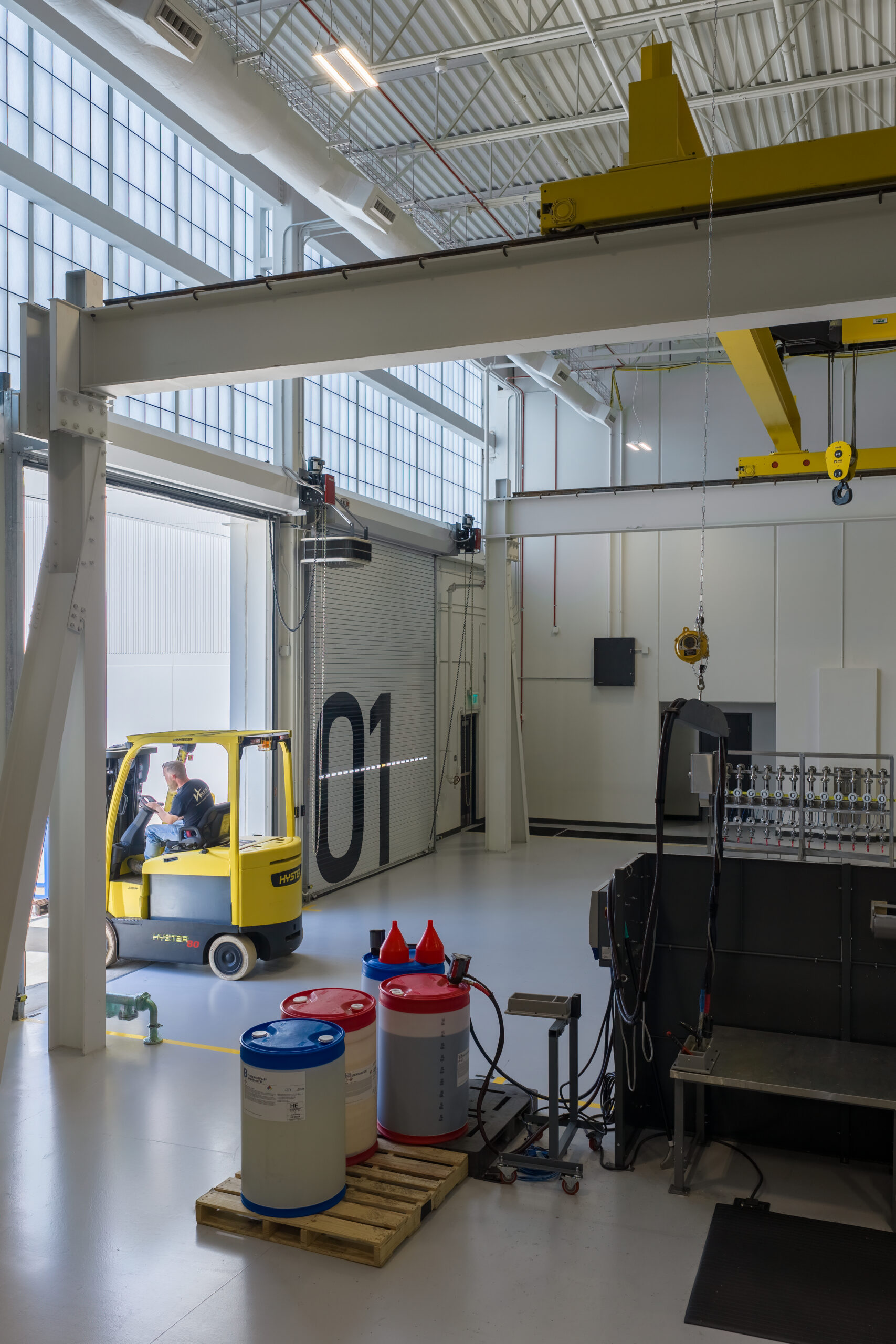


Bringing Strategy and Space Together
When these priorities are aligned, the facility becomes a catalyst for performance rather than just a place where work happens. Thoughtful design decisions can shorten production cycles, reduce operational friction, improve employee engagement, and create environments that reinforce a company’s value and vision.
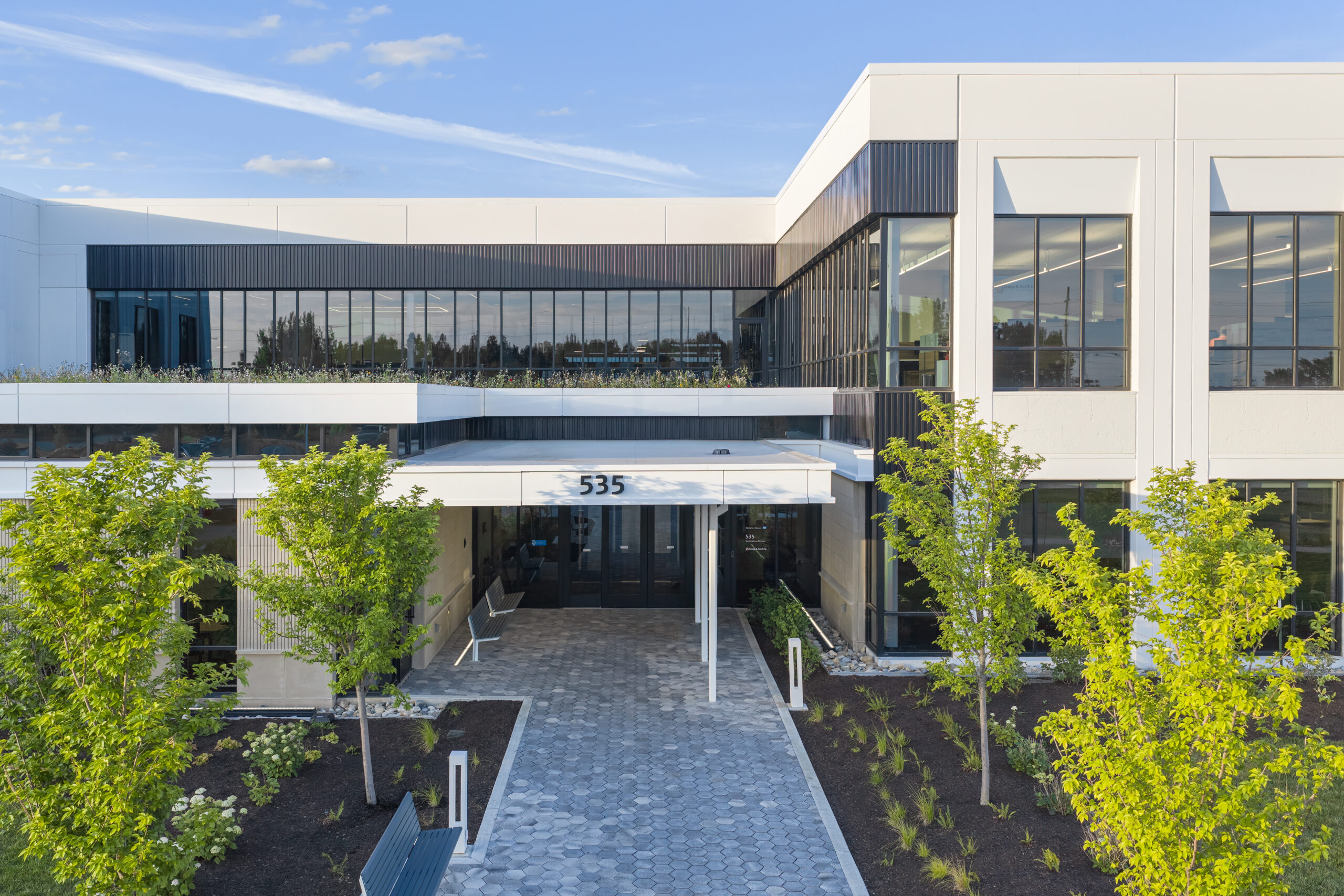
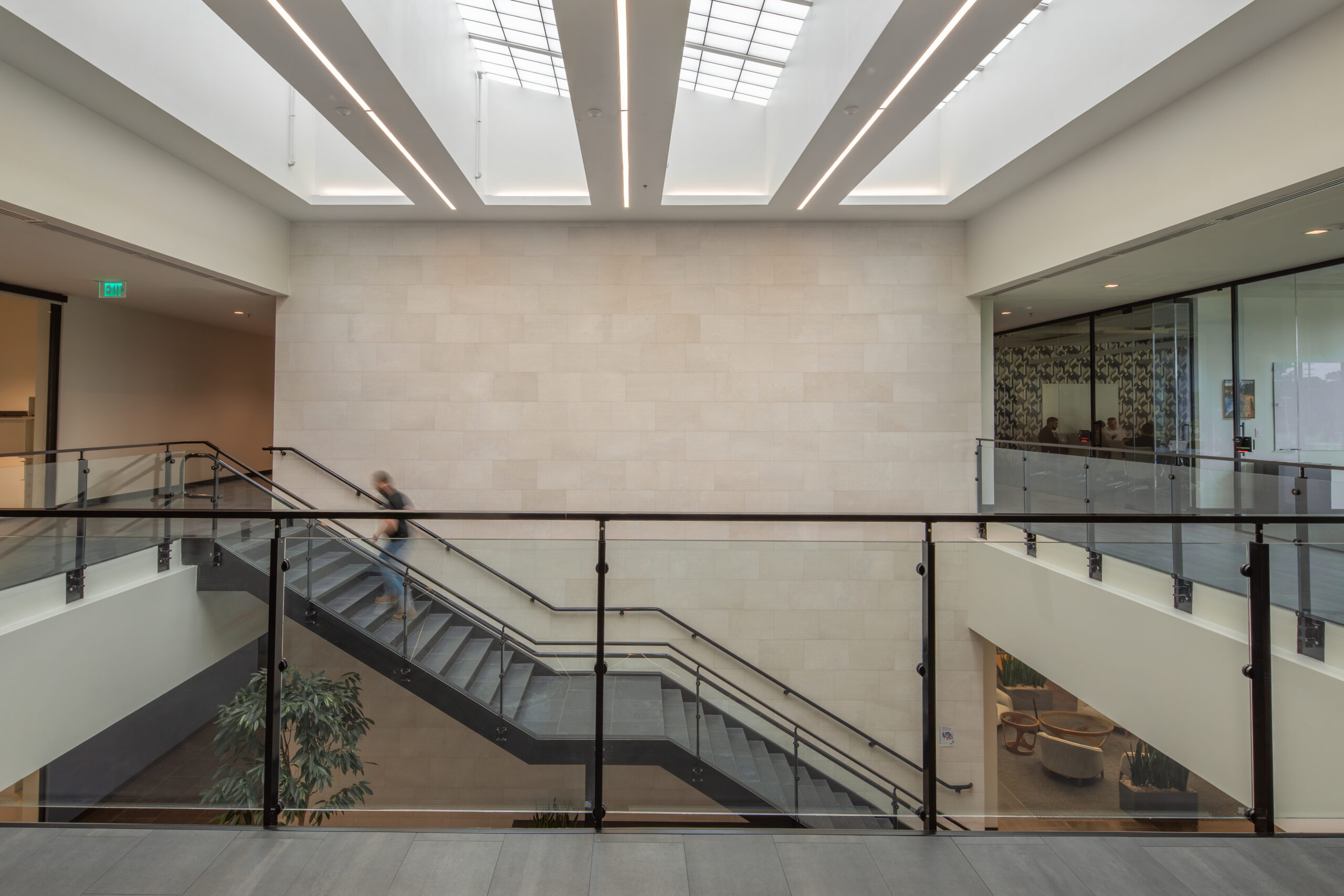
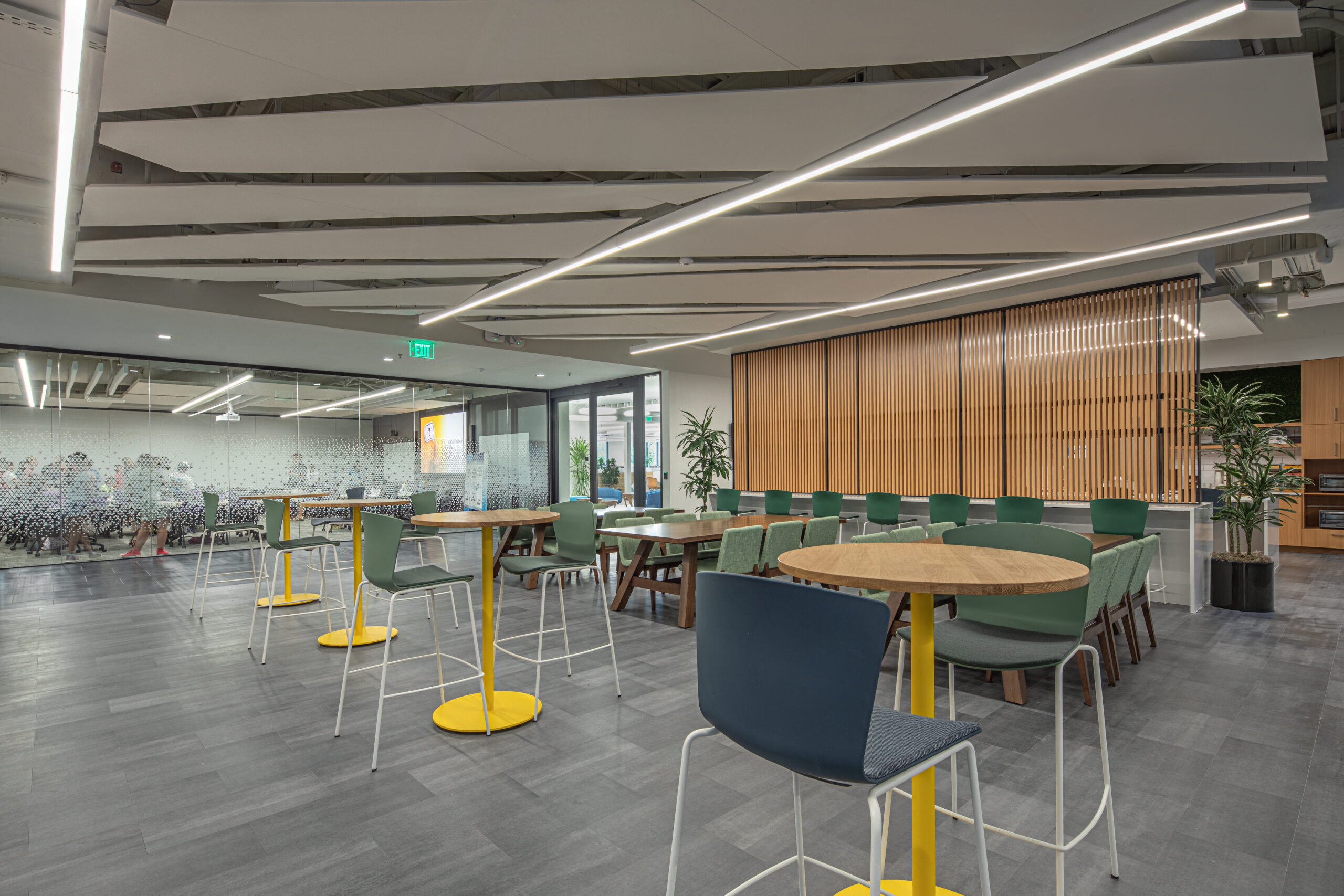
This approach guided our work with Endress+Hauser. Rather than focusing solely on production requirements, the leadership team viewed this building as “a gift to employees” and made it a top priority to provide a healthy, high-performing work environment; where employees would want to work, collaborate, and grow.
The Value of Early Planning
The greatest opportunities to influence business outcomes occur long before construction begins. Early engagement between leadership, operations teams, end users, and design professionals helps to establish a clear vision that aligns the financial investment with the organizational goals.
We don’t begin with pre-determined solutions. We begin by understanding your processes and priorities. For George E. Booth’s Headquarters, we quickly understood that significant growth was anticipated, but hard to quantify. In partnership with our structural, site, civil, and MEP teams, we determined opportunities for future expansion and designed a “Day One” facility that could flex when needed. Speed-to-market and operational flexibility were key priorities.
Beyond the Building
At Browning Day, our experience has taught us that successful industrial facilities must do four things exceptionally well:
- Support Operations
- Attract Talent
- Accommodate Growth
- Reinforce Company Culture
We understand these facilities to be strategic investments that actively contribute to organizational performance. Through this lens of business performance, companies can create environments that enhance productivity, strengthen culture, support innovation, and adapt to changing market demands.
In a competitive landscape where workforce challenges, technology advancements, and operational pressures continue to evolve, the question is not simply how much space a facility requires, but how effectively that facility can help drive the organization’s long-term performance.
The warehouse, manufacturing plant, or distribution center of tomorrow is more than an operational asset; it is a platform for growth, a reflection of company values, and a powerful tool for achieving business success.